Cured meats have a rich history that goes back thousands of years. Early civilizations discovered that salting, smoking, and drying meats helped preserve them for long periods, making it easier to store food, especially before the invention of refrigeration. Each culture put its unique spin on curing techniques, leading to the variety of flavors and textures we enjoy today.
In ancient Rome, for example, the technique of salting was essential. Romans produced a variety of cured meats, including ham and sausages, which were a staple in their diet. The love for cured meats spread throughout Europe, evolving as different regions experimented with spices and methods. This is why each country has its own signature cured meats that reflect local tastes and traditions.
The role of cured meats wasn’t just about preservation. They were often made during cooler months when fresh meat was scarce. Curing became a way to keep the food supply steady, providing people with hearty options during the winter. As time went on, the craft of curing meats transformed from a necessity into an art form, celebrated in festivals and markets around the world.
Today, we can find everything from Italian prosciutto to Spanish chorizo, each with deep roots in their respective cultures. These meats not only tantalize our taste buds but also connect us to a long history of culinary practices. With each bite, we savor the flavors of the past, honoring the traditions that brought these delicious cured meats to our tables.
Different Types of Cured Meats
Cured meats come in all sorts of flavors, textures, and styles, making every bite a tasty experience. Let’s take a closer look at some popular types you might come across.
Salami is a classic favorite. It’s made from ground meat, usually pork, mixed with spices and other flavorings. Salami is often air-dried, which helps develop its rich, tangy flavor. You can find all sorts of variations, from spicy to sweet, making it perfect for sandwiches, charcuterie boards, or just snacking.
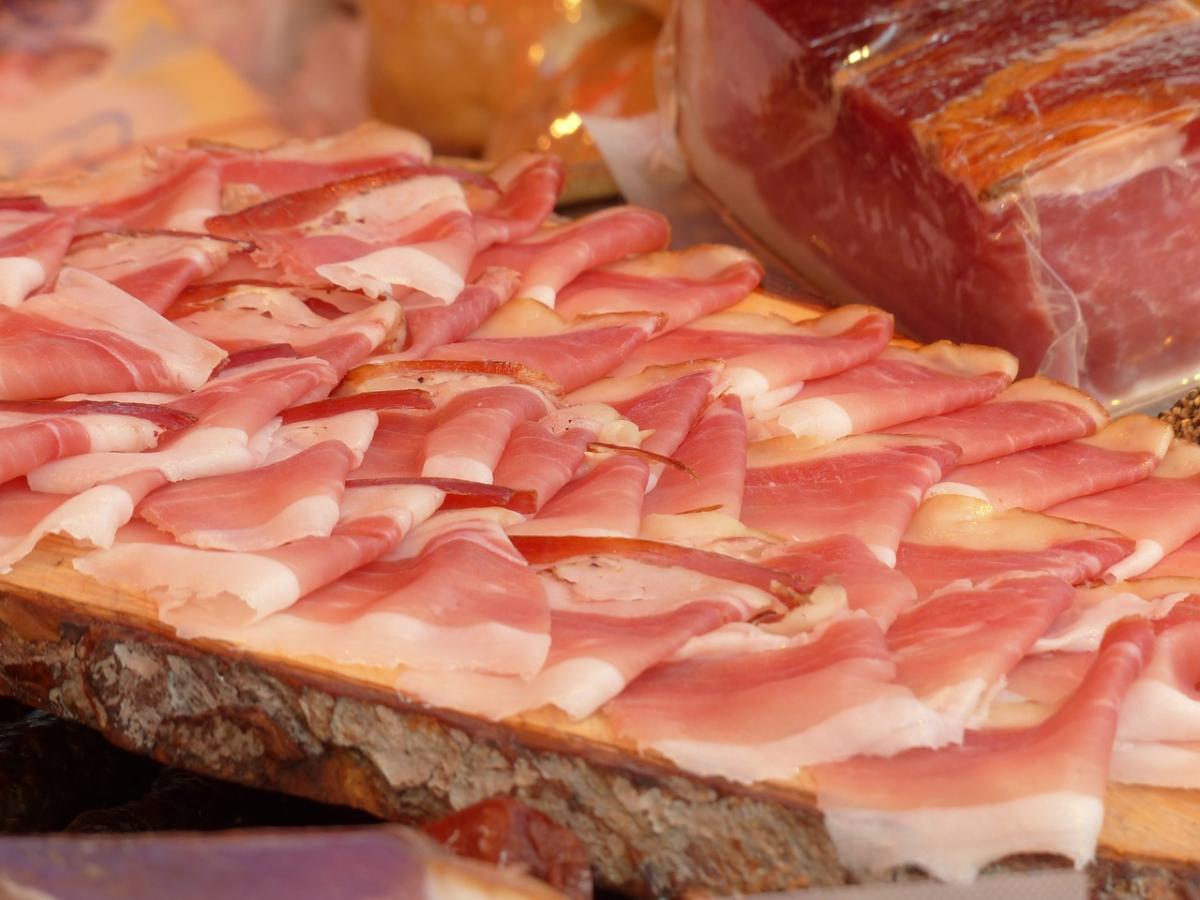
Prosciutto is another star of the cured meat world. This Italian delight comes from the hind leg of a pig. The process involves salting and air-drying the meat for a long time, resulting in a delicate, savory taste. It’s thinly sliced and often served with melons or bread. You’ll definitely want to try this if you love rich, savory flavors.
Pancetta is similar to bacon but with its own unique twist. Made from pork belly, it’s seasoned with salt and spices, then rolled up and cured. Pancetta has a rich, fatty texture that enhances dishes like pasta or can be enjoyed on its own. Trust me, it adds a whole new level of flavor to your meals.
Chorizo brings a spicy kick to the mix. This Spanish sausage is packed with garlic and smoked paprika, giving it a bold flavor that stands out. Whether you toss it in a paella, slice it for a tapas platter, or use it in stews, chorizo brings excitement and warmth to your cooking.
Crafting Flavor Through Curing
Curing meat is like giving it a tasty makeover. This process not only helps preserve the meat but also packs in some seriously bold flavors. You’ll find everything from sweet to spicy to smoky, all depending on the method and ingredients used.
At its core, curing typically involves salt, sugar, and spices. Salt draws out moisture and prevents spoilage, while sugar can balance flavors and add a hint of sweetness. Different spices, herbs, and even smoke can transform simple cuts of meat into delightful delicacies. Think peppery salami or zesty prosciutto, each offering a unique taste and texture.
There are a couple of popular curing techniques to explore. Dry curing involves rubbing the meat with a mix of salt and spices, then letting it rest. This method allows the meat to absorb those flavors deeply. Wet curing, on the other hand, uses a brine solution, which can infuse flavors throughout the meat while keeping it moist. Each method has its own charm and results in deliciously unique cured meats.
People have been curing meats for centuries, and today’s variety reflects traditional recipes passed down through generations. So whether you’re enjoying a charcuterie board or just indulging in a savory slice of ham, you’re tasting a piece of history. It’s amazing how a little time and the right ingredients can turn meat into something special.
Modern Uses and Enjoyment
Cured meats have come a long way from traditional methods of preservation. Today, they’re a staple in many kitchens and dinner tables. Whether it’s a charcuterie board at a fancy gathering or a quick snack at home, these flavorful cuts add a special touch to meals. They’re not just for the serious foodies; anyone can enjoy them!
People love using cured meats in creative ways. Tossing some slices of prosciutto on a salad adds a salty crunch that takes the dish to another level. Layering salami in sandwiches or wraps gives you that satisfying bite. Plus, let’s not forget about all those tasty breakfast options—bacon or pancetta can really elevate your morning routine!
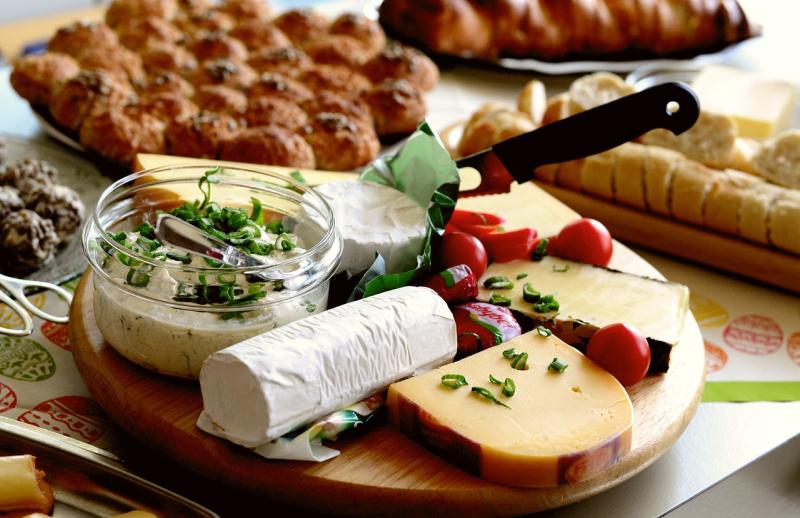
Hosting a party? Cured meats are the perfect star of the show. They pair well with cheeses, fruit, and nuts, making a beautiful and delicious charcuterie spread. Guests can mix and match based on their taste, and you get to show off your skills in putting it all together.
And for those cozy nights in, nothing beats a movie and a snack plate featuring your favorite cured meats. It’s the simplest way to treat yourself! No special skills required; just grab a few varieties and enjoy the rich flavors.